


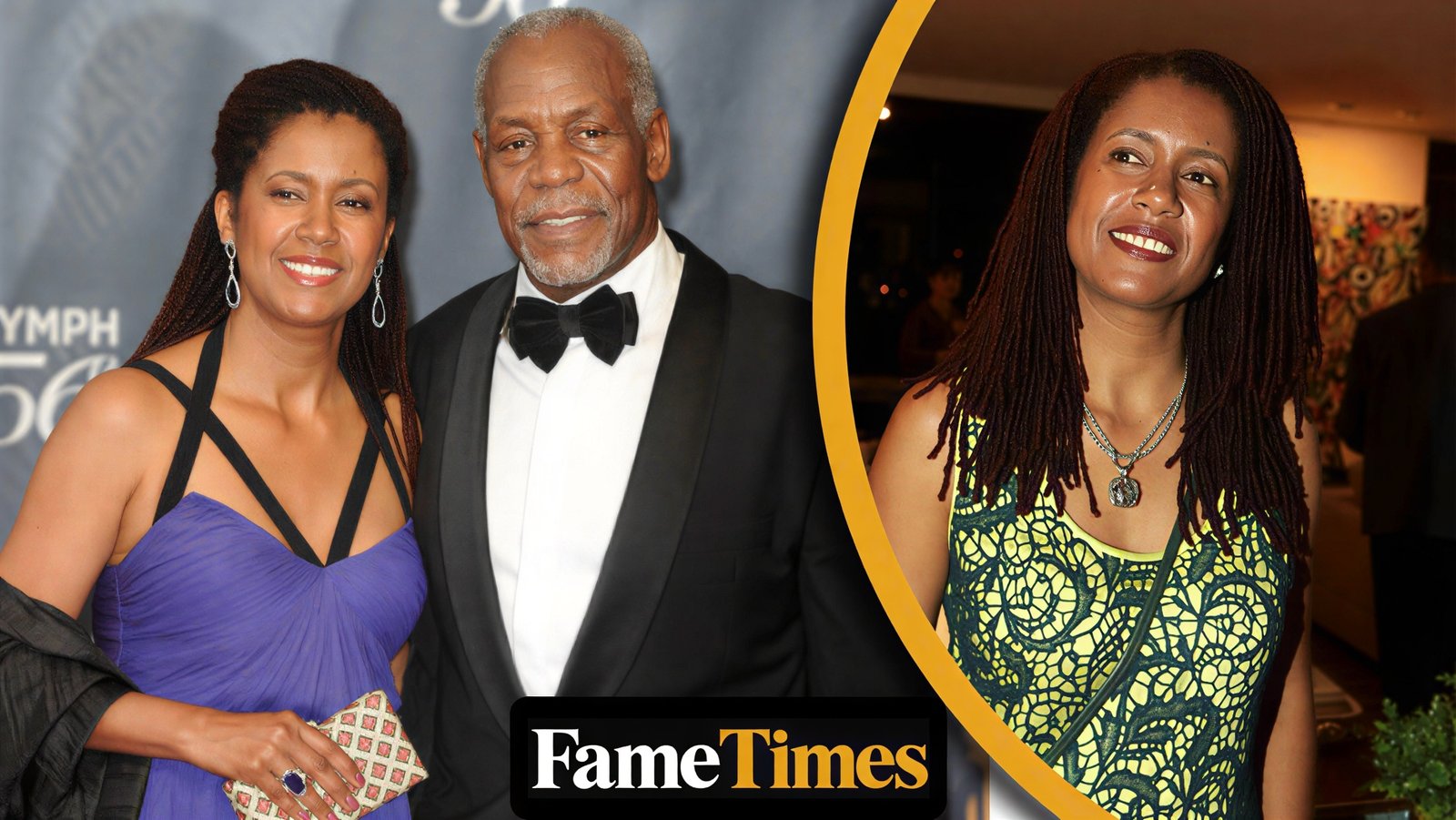
Eliane Cavalleiro is a Brazilian academic whose work focuses on education, racial equality, and the effects of discrimination on children. Many people recognize her name because of her former marriage to Hollywood actor Danny Glover. However, her professional story is much bigger than her connection to a famous personality. She has spent years studying racism in schools and encouraging better learning environments for children from different backgrounds. Through her research, books, and public service, she has helped bring important social issues into educational discussions.
Quick Bio of Eliane Cavalleiro
| Detail | Information |
|---|---|
| Full Name | Eliane dos Santos Cavalleiro |
| Known As | Eliane Cavalleiro |
| Birth Date | Not publicly confirmed |
| Age | Not reliably available |
| Birthplace | Brazil |
| Nationality | Brazilian |
| Profession | Education Researcher, Academic, and Writer |
| Education | University of São Paulo |
| Master’s Degree | Education, 1988 |
| Doctoral Degree | Education, 2003 |
| Former Husband | Danny Glover |
| Marriage Year | 2009 |
| Children | Two sons reported; details are limited |
| Known For | Research on racism and equality in education |
Who Is Eliane Cavalleiro?
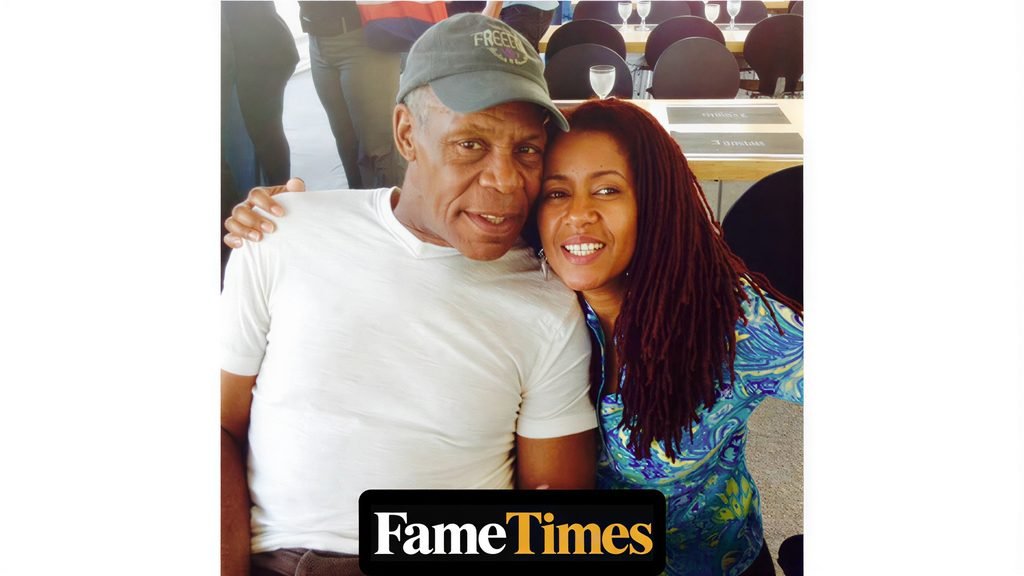
Eliane Cavalleiro is an education researcher and writer from Brazil. Her main area of interest is the relationship between race and education. She studies how prejudice can influence children’s experiences and why schools need to take discrimination seriously.
Her professional journey includes work with UNESCO, Brazil’s Ministry of Education, and the University of Brasília. She has also been connected with Stanford University in the United States. These roles have allowed her to share her knowledge with students, teachers, researchers, and wider communities.
Although her marriage to Danny Glover attracted attention from entertainment media, her academic achievements are an important part of her identity. She has developed a career through education and research rather than public appearances or celebrity activities.
Early Life and Family Background
Information about Eliane Cavalleiro’s childhood, parents, and early family life is limited. She has not shared many personal details publicly, and reliable biographies mainly discuss her education and professional achievements.
Her later work gives some understanding of the subjects that matter to her. She has explored how children develop ideas about race and how unfair treatment can affect their confidence. These questions became central to her research and helped shape her interest in creating more equal educational spaces.
Eliane Cavalleiro’s Age, Birthday, and Personal Details
People often search for her age and birthday, but a confirmed birth date is not clearly available in reliable public records. For that reason, it would not be accurate to give an exact age without stronger evidence.
Her personal life has largely remained private. Online celebrity websites sometimes publish details that are difficult to verify, so readers should be careful when using them as sources. Her academic profiles provide much stronger information about her career and qualifications.
Education and Academic Journey
Education has been a major part of her life. She studied at the University of São Paulo (USP), a respected institution in Brazil. Her studies helped her build a strong understanding of teaching, social inequality, and the challenges faced by different communities.
She completed her master’s degree in Education in 1988 and later earned her doctoral degree in the same field in 2003, as noted in her professional profile. These qualifications gave her the academic foundation to examine how racism appears in schools and how educators can respond to it.
Her research considers the experiences of children, the responsibilities of teachers, and the influence of society on learning. She believes that education should offer equal respect and opportunities to every student, regardless of background.
Her Contribution to UNESCO
An important stage in her career involved working with the United Nations Educational, Scientific and Cultural Organization (UNESCO). Her work was connected with educational discussions about discrimination and the importance of respecting cultural differences.
In 2005, she took part in UNESCO-related activities in Latin America and the Caribbean. Her work included research on discrimination and diversity in schools. These subjects are especially important in communities where students have different racial, cultural, and social backgrounds.
This experience helped bring her knowledge into international discussions. It also showed how the problems found in classrooms can reflect wider issues within society.
Work With Brazil’s Ministry of Education
From 2004 to 2006, she served as the General Coordinator of Diversity and Educational Inclusion at Brazil’s Ministry of Education. This position allowed her to connect academic ideas with public education work.
Her responsibilities were linked to improving inclusion and encouraging respect for different communities. The role also gave her an opportunity to take part in discussions about how schools could become more welcoming and fair.
Educational inclusion is important because every child deserves the chance to learn without facing discrimination. Her work supported the idea that schools should recognize unfair treatment and take practical steps to prevent it.
Books and Research
Writing has been another important part of her professional journey. Her publications examine racism, childhood, racial identity, and the role of schools in building a fair society.
From the Silence of the Household to the Silence of the School
One of her recognized books is Do Silêncio do Lar ao Silêncio Escolar: Racismo, Preconceito e Discriminação na Educação Infantil, published in 2000. The title can be translated into English as From Silence at Home to Silence at School.
The book examines how racism can affect young children and how silence from adults may allow unfair behaviour to continue. It encourages families and teachers to notice discrimination instead of treating it as an unimportant issue.
The research also highlights the importance of children’s early experiences. The way adults speak and behave can influence how young people understand themselves and others.
Racism and Anti-Racism in Education
Another important publication is Racismo e Antirracismo na Educação: Repensando Nossa Escola, released in 2001. It explores how racism affects education and how schools can respond through better teaching and awareness.
The book discusses topics such as teacher training, racial identity, educational materials, and the value of African heritage. It encourages educators to question unfair practices and make classrooms more respectful.
A revised edition was published in 2024, showing that these discussions remain relevant. The book continues to connect with the wider need for equal treatment in education.
Research on Black Families and Identity
Her publication Caminhos da Noite Sem Fim: Socialização e Pertencimento Racial em Gerações Sucessivas de Famílias Negras, published in 2013, explores racial identity and family experiences across generations.
It looks at how people develop a sense of belonging through family relationships and social surroundings. This subject adds another dimension to her work because racial identity is shaped by more than school experiences alone.
Together, her publications show her interest in understanding discrimination from different angles. She has examined its effects on children, families, and educational institutions.
University of Brasília and Stanford University
Eliane Cavalleiro has also worked at the University of Brasília, where she was connected with the School of Education. Her academic activities included teaching, research, and involvement in student development.
Her work at the university allowed her to share ideas with future educators and researchers. It also gave her opportunities to take part in discussions about improving education and expanding opportunities for students.
Later, her professional journey included a connection with Stanford University in California. Her profile at Stanford’s Center for Latin American Studies identifies her as a lecturer. Her teaching interests include racial and gender inequality in Latin America, helping students understand important social questions across the region.
Leadership and Social Work
Her career has not been limited to teaching and writing. She has also held leadership positions in organizations that support research and social equality.
From 2008 to 2010, she served as president of the Brazilian Association of Black Researchers (ABPN). The organization supports Black academics and encourages research into race, identity, and social development.
She also worked as executive coordinator of Geledés – Institute of Black Woman from 2000 to 2004. The organization focuses on issues affecting Black women and works to promote equality and social justice. These roles reflect her wider interest in making academic and public spaces more inclusive.
Eliane Cavalleiro Relationship With Danny Glover
Many people became interested in her personal life after learning about her relationship with American actor Danny Glover. He is widely known for appearing in films such as Lethal Weapon and The Color Purple.
Reports state that the two met in Brazil in 2003, during the World Social Forum. Their shared interest in social issues has been mentioned in accounts of their relationship. After spending several years together, they married in 2009.
Their marriage attracted attention because Glover was already an internationally recognized actor. However, she had developed her own professional career long before their relationship became a subject of public interest.
Marriage and Divorce
The marriage between Eliane Cavalleiro and Danny Glover began in 2009. Despite public interest, the couple kept most details of their relationship private and rarely discussed their personal life in the media.
In 2022, a representative for Glover confirmed in media reports that the couple was no longer married. However, the exact date of their separation and the private reasons behind it were not clearly explained publicly.
Because there is limited confirmed information, it is best not to repeat rumours about their divorce as facts. Their relationship is one part of her personal story, but it does not define her academic achievements.
Does Eliane Cavalleiro Have Children?
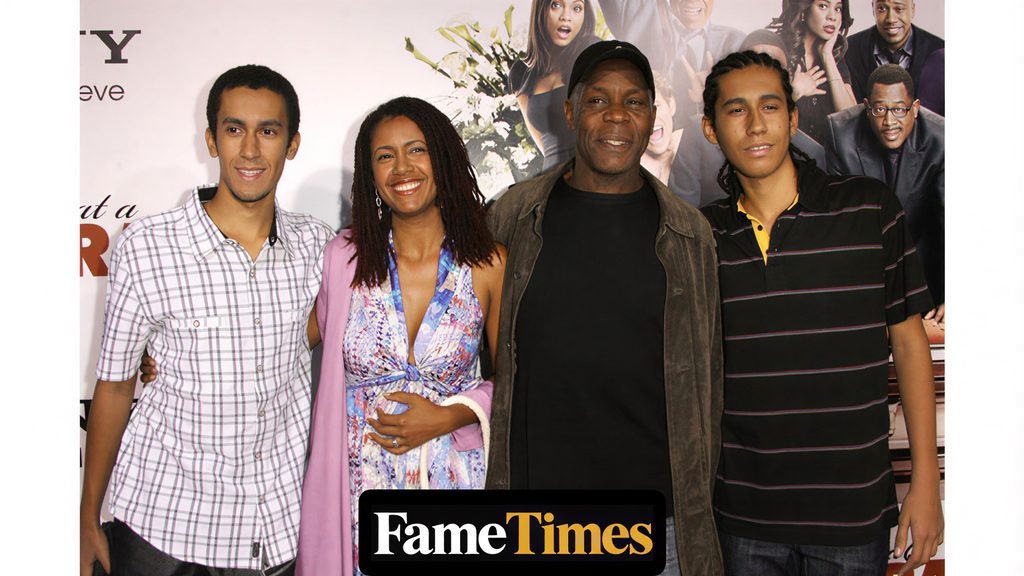
Some entertainment reports state that she has two sons from an earlier relationship. Their names are reported as Ramon Cavalleiro and Juan, also known in some reports as Juan JC Cavalleiro.
However, reliable information about her children is limited. She has chosen to keep her family life private, so details about their ages, careers, and daily lives should not be assumed.
Danny Glover has a daughter named Mandisa Glover from his earlier marriage to Asake Bomani. Mandisa is not Eliane Cavalleiro’s daughter.
Nationality and Ethnicity
Eliane Cavalleiro is Brazilian, and much of her research focuses on racial identity and the experiences of Black communities in Brazil. She has spent a large part of her career studying discrimination and encouraging equal treatment.
However, her research interests should not be used to make assumptions about her personal ethnic identity. Reliable public biographies do not provide enough information to make a more specific statement about her ethnicity.
Net Worth and Professional Life
There is no reliable public figure confirming her net worth. Her career has mainly involved academic work, research, writing, teaching, and public service rather than entertainment or business activities.
Although some websites may publish estimated financial figures, these numbers should be treated as speculation unless supported by dependable evidence. Her professional success is better understood through her publications, leadership roles, and contributions to education.
Eliane Cavalleiro’s Instagram and Public Presence
People also search for her Instagram account, but an official public profile could not be confidently verified through the available academic information.
She maintains a relatively private public image. Readers interested in her work can find more dependable information through university biographies, academic publications, and institutional profiles rather than unverified social media accounts.
Her Lasting Impact on Education
Her research has helped explain why schools need to address racism from an early age. Children can be affected by unfair treatment in ways that influence their confidence, relationships, and learning experiences.
Her work encourages teachers to create classrooms where different backgrounds are respected. It also reminds educational institutions that equality requires more than simply treating everyone the same. Schools must recognize problems and work to remove barriers that prevent students from feeling included.
Conclusion
Eliane Cavalleiro has built a meaningful career through education, research, and social work. Her academic background, publications, and professional connections with organizations such as UNESCO and Stanford University show her commitment to racial awareness and educational equality.
Her former marriage to Danny Glover brought her additional public attention, but her professional achievements deserve recognition in their own right. Through her work, she has encouraged teachers and researchers to understand discrimination and create better opportunities for children. Her contribution to education remains an important part of her story.
Frequently Asked Questions
Who is Eliane Cavalleiro?
Eliane Cavalleiro is a Brazilian education researcher and writer known for studying racism, racial identity, and discrimination in schools.
How old is Eliane Cavalleiro?
Her exact age is not publicly confirmed because reliable sources do not provide a verified date of birth.
Who was Eliane Cavalleiro married to?
She was married to American actor Danny Glover. They reportedly married in 2009.
Are Eliane Cavalleiro and Danny Glover divorced?
Yes. In 2022, a representative for Danny Glover confirmed that they were no longer married. The exact separation date has not been publicly established.
Does Eliane Cavalleiro have children?
Some reports state that she has two sons from an earlier relationship. However, detailed information about her children is limited.
What is Eliane Cavalleiro known for professionally?
She is known for her research on racism, racial identity, and educational equality, as well as her work with UNESCO and Brazilian educational institutions.
Where did Eliane Cavalleiro study?
Her academic journey took place at the University of São Paulo, where she completed postgraduate studies and earned both her master’s and doctoral degrees in Education.
For more in-depth celebrity stories and entertainment updates, visit Fame Times and discover more today.
